Select Page
Home » Solutions » Environment and Climate Monitoring

Environmental
and Climate Monitoring
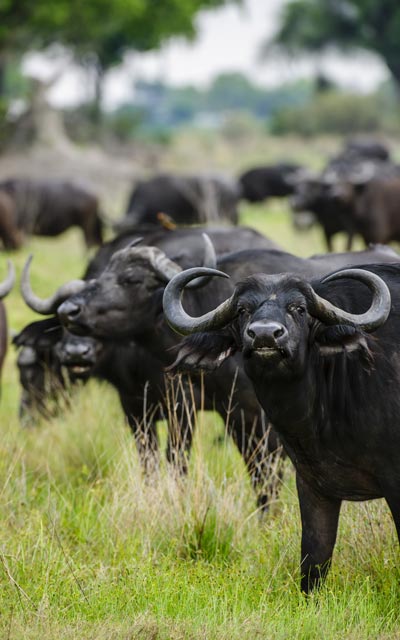
CLS Southern Africa works to protect the region’s natural ecosystems by delivering innovative climate and environmental monitoring solutions powered by satellite and in-situ data. Our services support evidence-based decision-making for biodiversity conservation, sustainable resource management, and climate resilience.
Discover

Africa’s Natural Resources Through Data and Innovation

Addressing today’s environmental challenges requires accurate information and forward-looking solutions. At CLS Southern Africa, we transform satellite and in-situ data into actionable insights, tracking wildlife, monitoring forests and freshwater systems, and measuring the effects of climate change across Africa.

Our data-driven services help optimize land and water use, inform conservation strategies, and strengthen the region’s capacity to plan sustainably.

From urban resilience to biodiversity conservation, we support responsible environmental management that leads to long-term impact.

elefant icon

400,000+ animals tracked since the 80s

data icon

1 powerful data platform that can predict the future: the impact of climate change on your coasts

metocean buoy icon

6,000+ metocean and oceanographic instruments are monitored and deployed worldwide every year

Discover our Solutions

Biodiversity Protection

Smart
Agriculture

Fighting Pollution

Livestock Management

Oceanography, Meteorology, and Glaciology

Sustainable Water and Forest Resource Management

Land Management, Air Quality, and Soil Artificialization
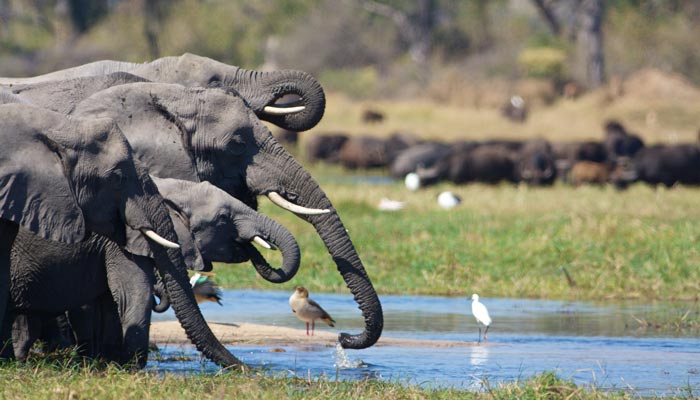
elefants drinking in Botswana

Biodiversity Protection

Across Africa, protecting biodiversity means understanding how wildlife interacts with a rapidly changing environment. Drawing on local expertise and decades of satellite innovation, CLS Southern Africa delivers advanced wildlife tracking and environmental monitoring solutions designed to meet the region’s unique ecological and conservation needs.

Our systems support the monitoring of terrestrial species, migratory birds, marine mammals, and fish populations, helping scientists, conservationists, and authorities better protect threatened habitats and strengthen biodiversity management. Thanks to real-time geolocation, movement analysis, and behavioural alerts, users can follow species dynamics with precision and respond quickly to unusual activity or environmental threats.

Through Argos Services, we provide reliable global connectivity for a wide range of transmitters and tags adapted to African field conditions. These devices generate accurate, continuous data to support biodiversity research, wildlife management, protected-area monitoring, and long-term conservation strategies.

By combining satellite communication, smart sensors, and access to comprehensive environmental datasets enhanced by artificial intelligence, we deliver insights on key parameters such as temperature, ocean currents, phytoplankton levels, maritime traffic (AIS), and human-generated noise from shipping or coastal construction. Our platforms also integrate real-time dashboards, custom zones and alerts, and environmental risk indicators such as extreme weather warnings, drought alerts, flooding risks, and vegetation-cover changes.

This integrated approach deepens our understanding of animal movement, habitat conditions, ecosystem dynamics, and human impact. It enables a holistic view of biodiversity across land and sea, supporting evidence-based decision-making, sustainable natural-resource management, and the achievement of regional conservation goals.

smart connected agriculture

Smart agriculture

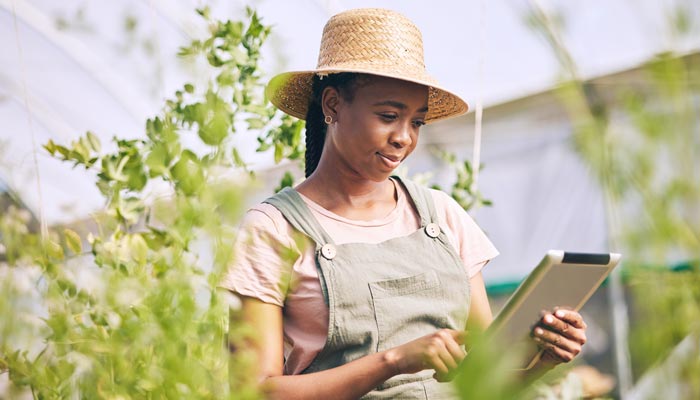
In Africa, agricultural production faces growing challenges linked to climate change, population pressures, and limited access to water. Supporting farmers, policymakers, and development partners with the right information is essential for building a more resilient and productive agricultural system.

CLS Southern Africa combines satellite data with ground-based measurements to provide valuable insights adapted to local farming conditions. These integrated services help improve agricultural practices by offering timely and accurate information that supports food security and sustainable land management.

Our tools can be used to:

  • Monitor water availability and anticipate irrigation needs
  • Classify and map different crop types across regions
  • Detect anomalies in the field such as irrigation failures, flooding, pest outbreaks, or signs of illegal activity
  • Estimate harvest potential and forecast crop yields
  • Evaluate soil health and productivity over time

These solutions enable better planning and decision-making in both smallholder and commercial farming operations, contributing to improved yields, reduced losses, and smarter use of natural resources.

plastic pollution at sea

Pollution Monitoring & Response

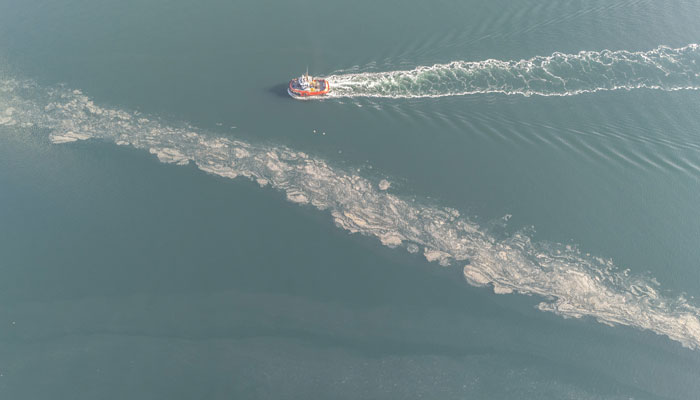
Around the continent, pollution, whether from plastics, oil, industrial discharge, sargassum algae or air contaminants, poses a growing risk to ecosystems, communities, and key economic sectors. Effective management depends on accessible, reliable data and regionally adapted solutions.

CLS Southern Africa supports industries, local governments, environmental authorities, and maritime agencies with advanced tools to monitor, anticipate, and respond to pollution incidents across land, sea, and air environments.

For air quality, we offer real-time monitoring, exposure risk evaluation, and guidance for regulatory compliance, helping safeguard public health and support evidence-based environmental policies.

In marine and coastal areas, satellite imagery, connected buoys, and predictive drift models are used to detect pollution sources (oil spill, sargassum, etc.), track their movement, and guide clean-up operations. These technologies improve response times and reduce the long-term impact on natural resources.

By combining satellite capabilities, local expertise, and field-based intelligence, CLS Southern Africa provides practical solutions for pollution management, aligned with the region’s environmental priorities.

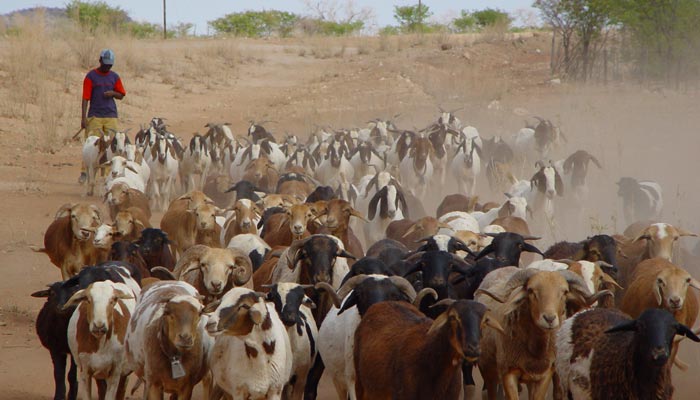
herd management

Livestock Management

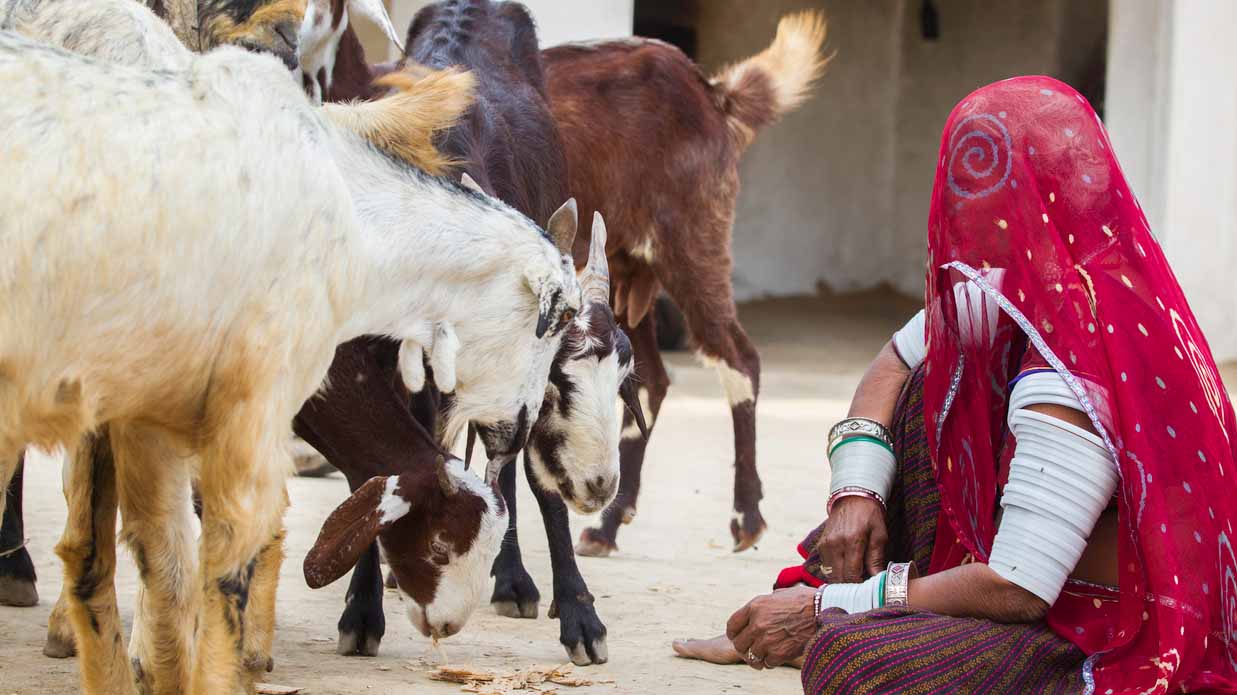
With 40+ years of expertise in satellite tracking and spatial data management, we provide solutions for park managers, scientists, policymakers, farmers, and nomadic communities.

For biodiversity managers, our tools monitor animal movements, health, and habitat resources, crucial for protecting ecosystems, fighting poaching, and supporting reintroduction programs. They also help reduce the environmental impact of livestock by improving grazing zone management.

For farmers and nomadic populations, our solutions offer real-time herd tracking, optimized movement management, and risk prevention (disease, loss, human-animal conflict).

Through a combination of satellite tracking, Earth observation, multi-source data, and a powerful herd management platform, we deliver sustainable management tailored to every user's needs, even in the most remote areas.

Ocean waves crashing

Environmental Monitoring for Ocean, Weather, and Climate Research

Understanding the dynamics of oceans, weather patterns, freshwater systems, and glacial regions is essential for sustainable resource management and climate adaptation. Scientists and environmental experts across the region increasingly rely on space-based technologies to deepen their knowledge and respond to urgent challenges.

CLS Southern Africa provides customized in-situ measurement solutions designed to operate in demanding field conditions. Using Argos transmitters, robust satellite connectivity, and integrated multi-source data, including radar, optical, and altimetry observations, our systems ensure fast, reliable transmission of environmental data, even in remote or extreme environments.

Collected data flows into user-friendly visualization platforms, delivering a clear, operational view that supports scientific research and real-time decision-making.

These technologies enhance the capacity to monitor environmental changes as they happen, offering advanced tools to study marine currents, atmospheric systems, and polar conditions, while helping predict and respond to the impacts of climate change across the region.

Victoria falls town

Sustainable Management of Forests and Water Resources

Throughout Africa, forests and freshwater systems play a vital role in supporting biodiversity, regulating the climate, and sustaining rural and urban livelihoods. Forests store carbon and shelter rich ecosystems, while water resources are essential for agriculture, disaster prevention, and community resilience.

CLS Southern Africa supports environmental agencies, researchers, foresters, and water authorities with advanced tools tailored to regional challenges. By combining satellite observations, including optical, radar, and altimetry data, with in-situ sensor networks, we offer actionable insights for managing natural resources sustainably.

Our solutions deliver real-time assessments of forest cover, composition, degradation, and regeneration. They also support early detection of environmental threats such as wildfires, landslides, and illegal logging activities.

In the water sector, we provide monitoring of watersheds, dams, and hydrological systems, alongside climate-related risks like drought and flooding. This data helps guide responsible water use, protect ecosystems, and enhance regional preparedness for environmental extremes. To support this aim, we have developed a powerful water management platform that helps decision-makers make the best possible choices based on the most accurate insights available on the market.

By bridging Earth observation with local expertise, CLS Southern Africa contributes to long-term sustainability and stronger environmental governance across the region.

smog city

Data-Driven Planning for Sustainable and Breathable Environments

Across the continent, growing urban populations and environmental pressures are reshaping how cities and rural areas are managed. Decision-makers must balance infrastructure development, ecosystem preservation, and the health and well-being of communities.

CLS Southern Africa offers targeted solutions that combine satellite imagery, geospatial analysis, and environmental monitoring to support sustainable land use and regional planning.

Our mapping tools track changes in land cover, from agricultural zones and natural habitats to urban expansion and forested areas, using multi-scale data across historical timelines and future projections. These insights help identify vulnerable areas, restoration opportunities, and inform zoning policies aligned with long-term sustainability goals.

As climate change accelerates and sea levels rise, many coastlines and terrestrial habitats are increasingly at risk. To help authorities plan for these challenges, we have developed a digital scenario-planning platform that models multiple climate and inundation trajectories. This tool empowers land managers to assess vulnerabilities, strengthen resilience strategies, and anticipate the potential impacts on populations and ecosystems, supporting proactive adaptation rather than reactive crisis response.

In parallel, we provide systems to monitor environmental indicators such as air quality, noise levels, and industrial emissions. These tools enable public authorities and private stakeholders to evaluate environmental impacts, ensure compliance with regulations, mitigate health risks, and improve overall performance.

With reliable, up-to-date environmental data, CLS Southern Africa empowers local and national actors to build more resilient, sustainable, and people-centered territories.

Latest News

Monitoring the Planet,
Protecting the Future

Track environmental data with precision thanks to reliable Earth Observation data and in-situ measurements adapted to African ecosystems.

Our Other Activities

Maritime Security

Energies and Infrastructures Monitoring

Mobility

Sustainable Fisheries Management